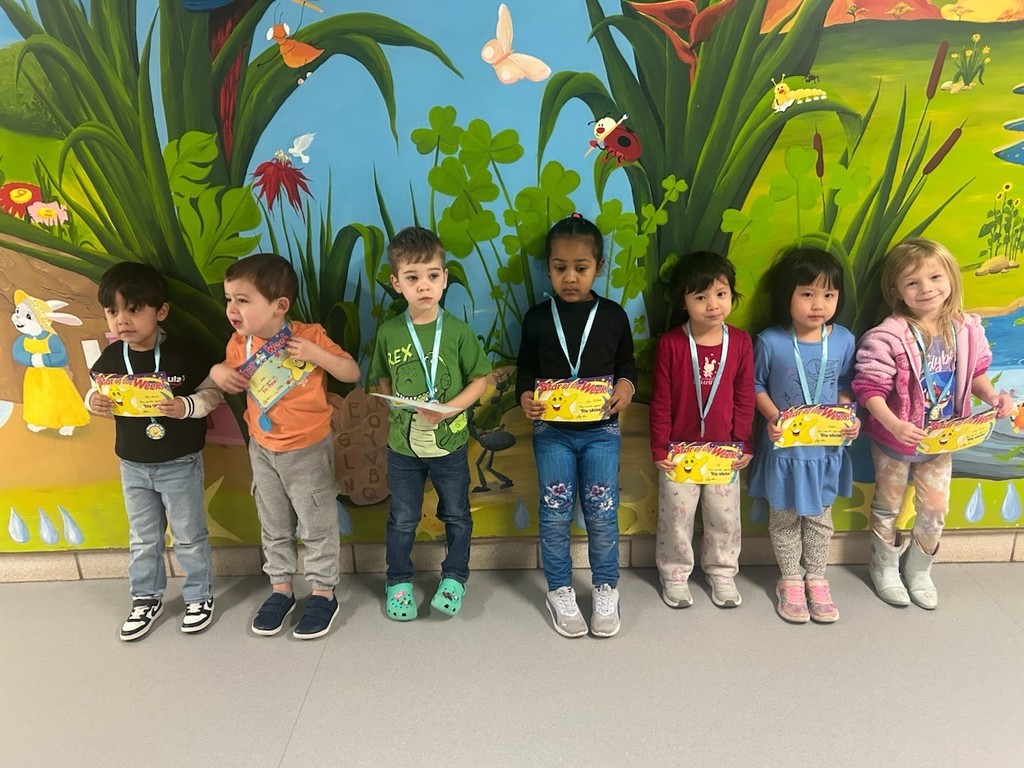
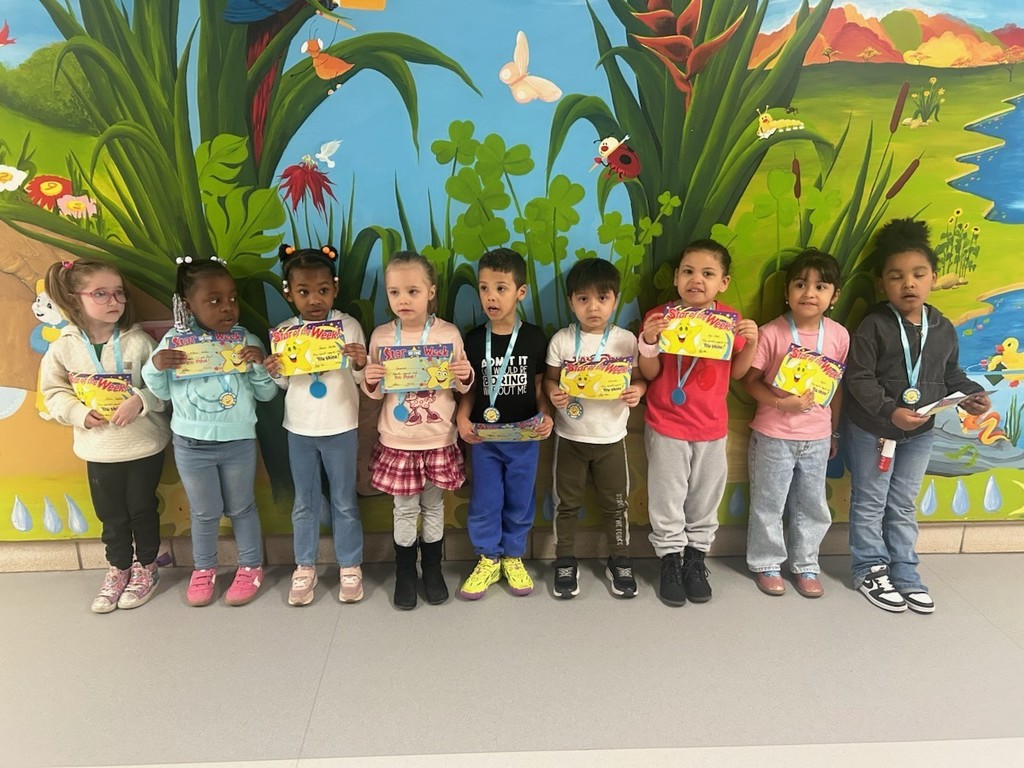
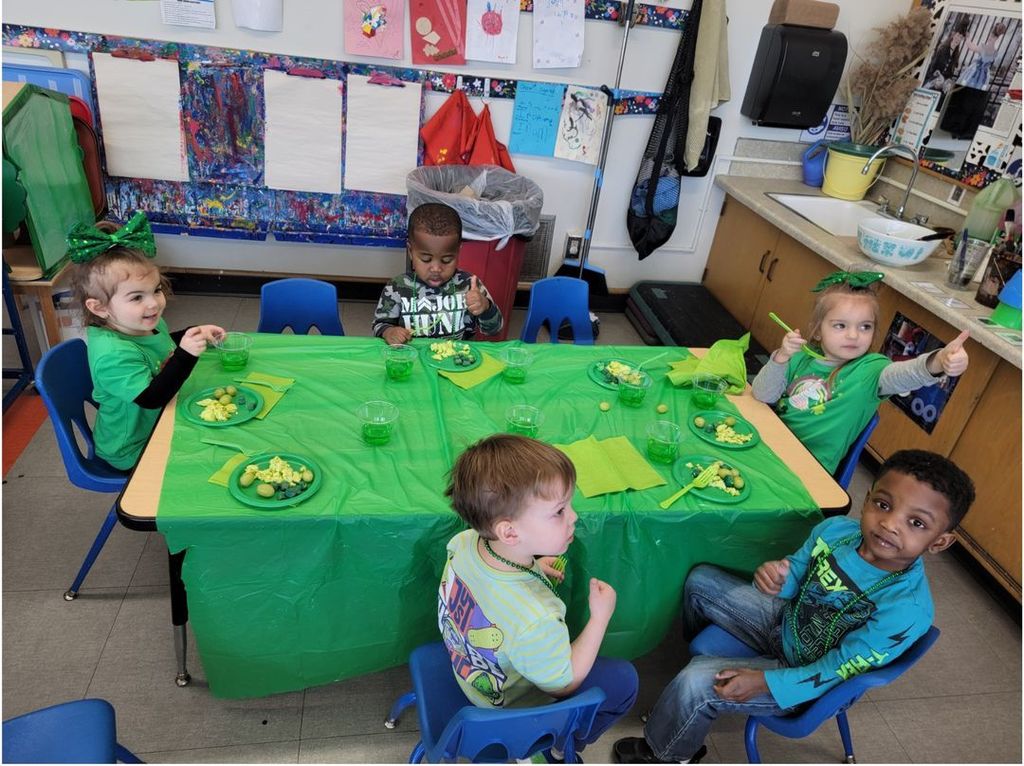
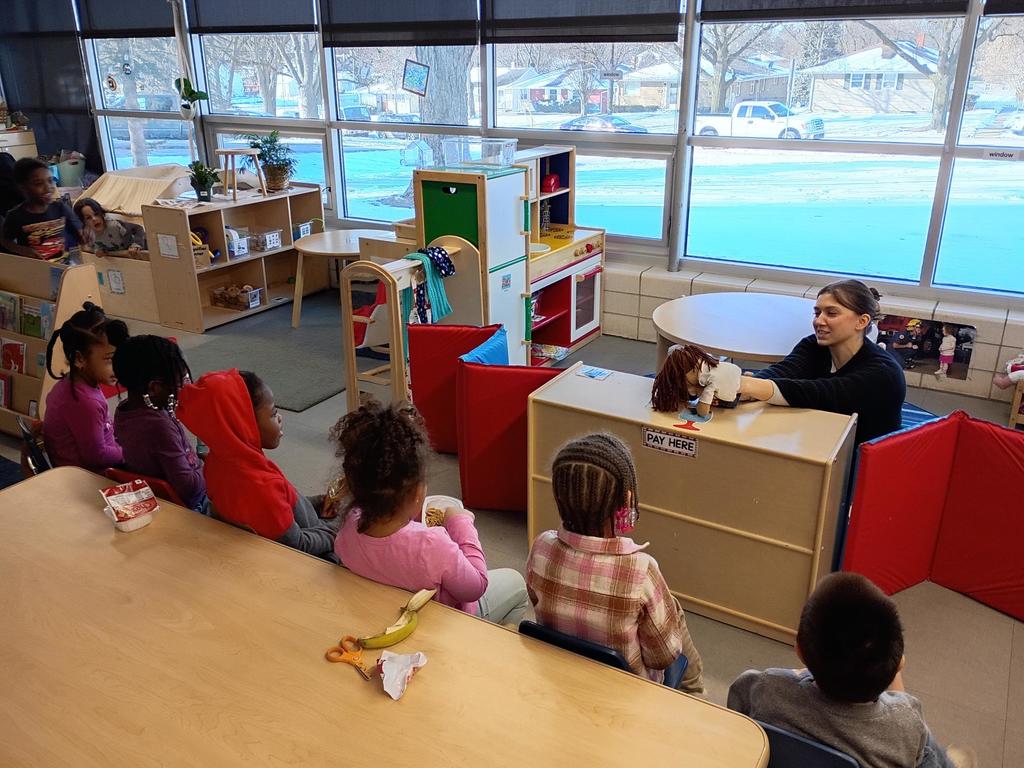
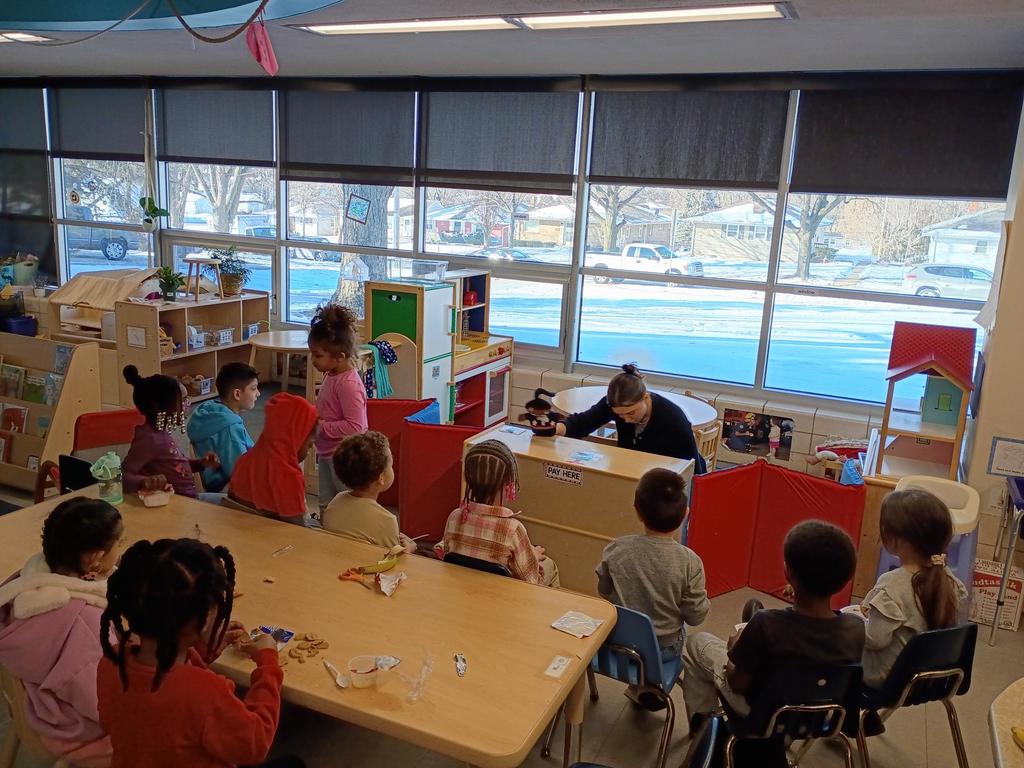
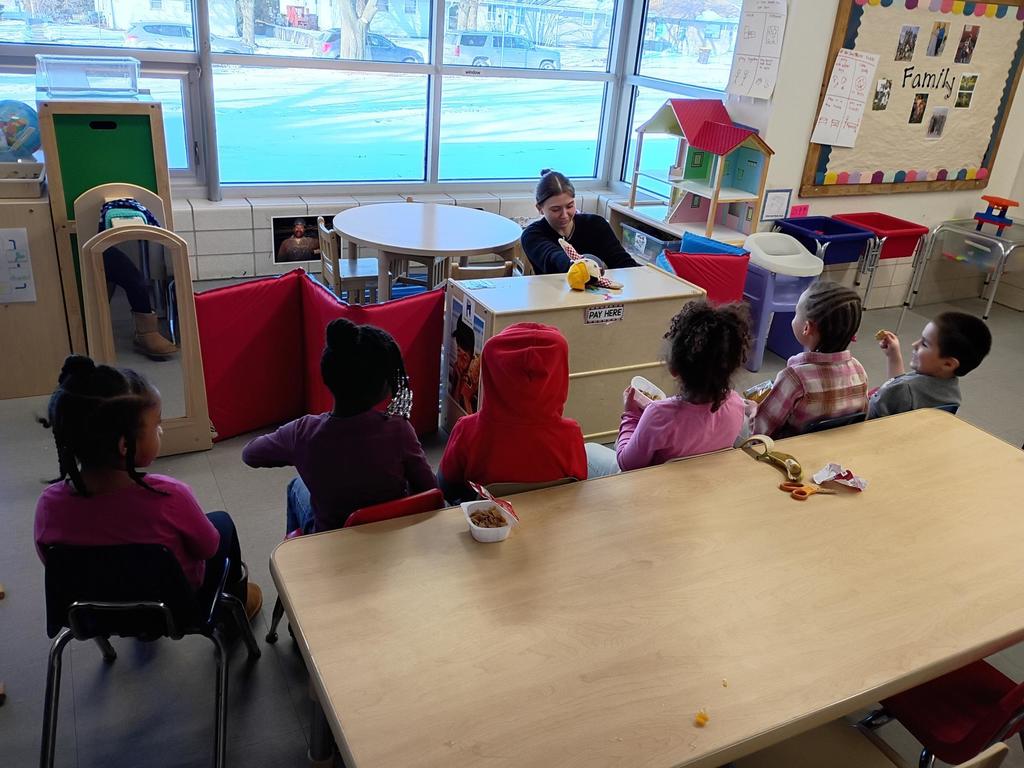
Students are learning important math skills like patterning. When a child identifies a pattern, they are making a prediction. This builds cognitive confidence and the ability to look ahead, which is vital for reading comprehension and scientific inquiry.

2 months ago, Darcy Dunn
patterning

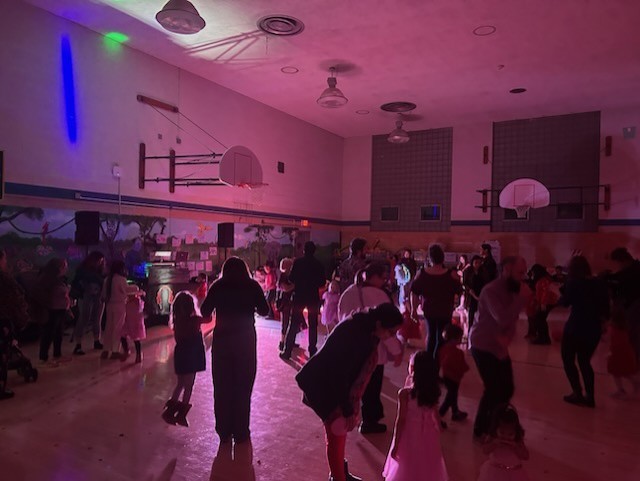
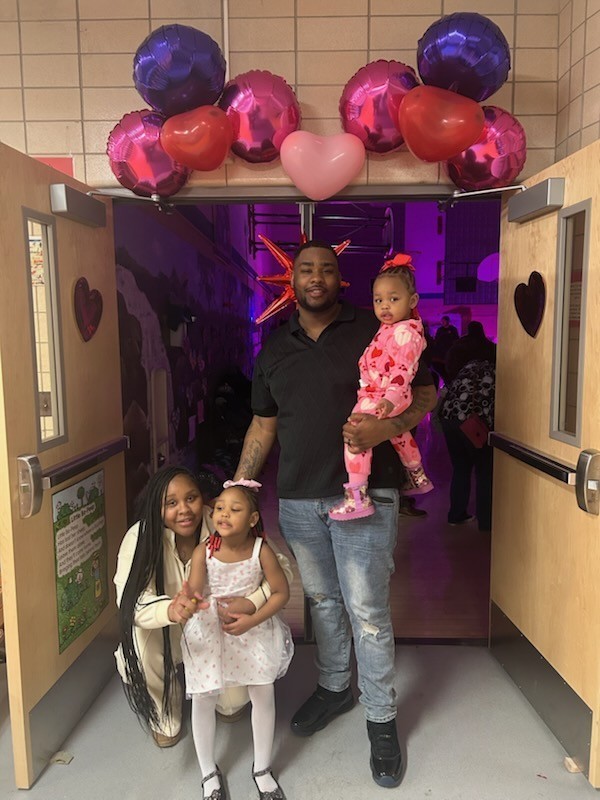
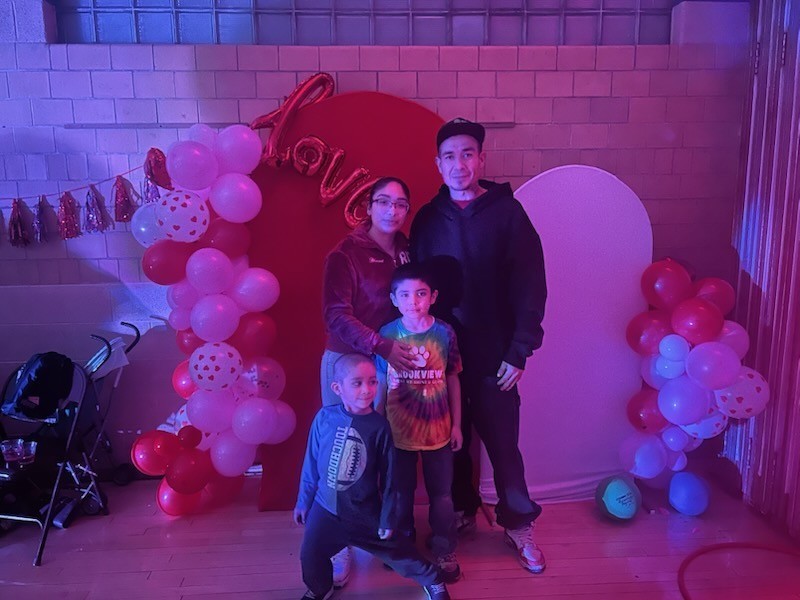
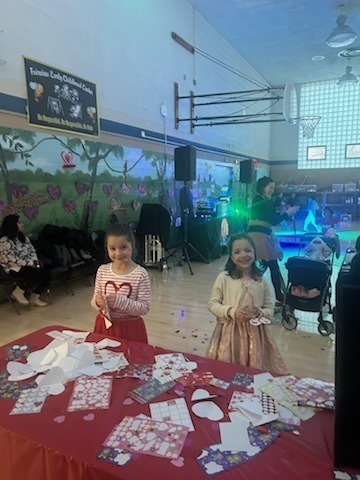
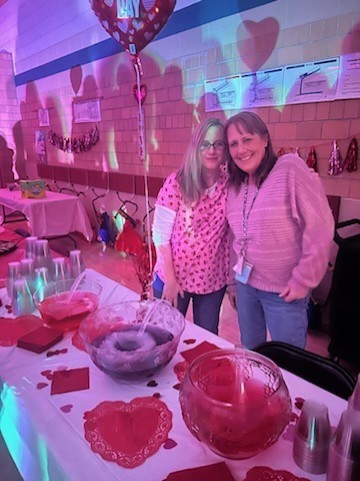
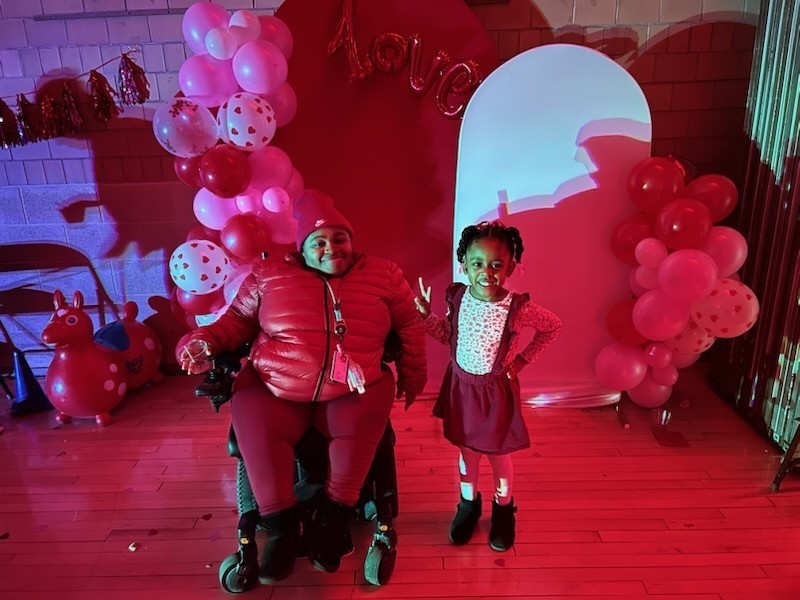
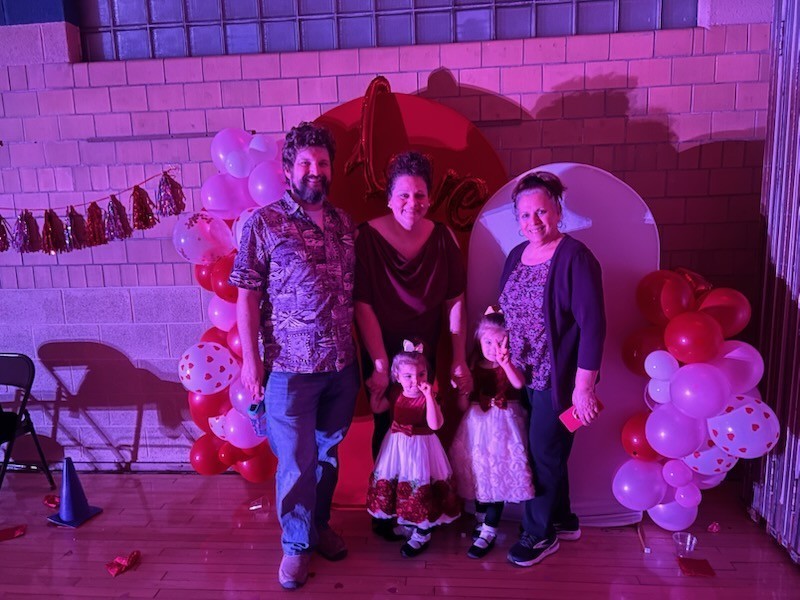
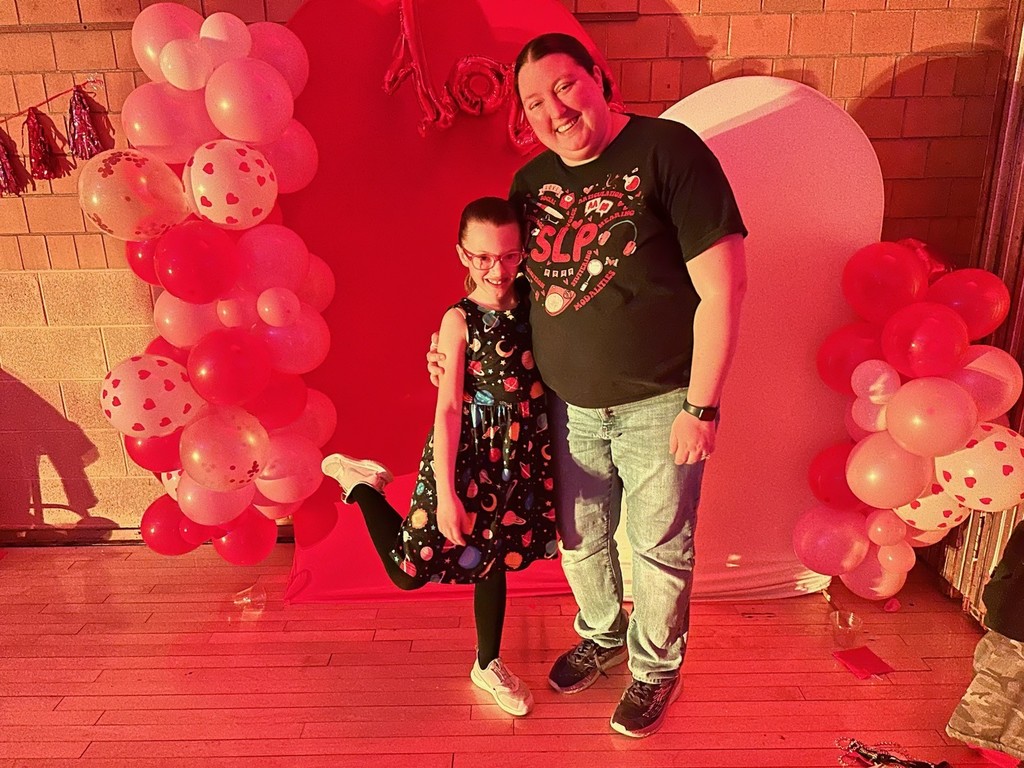
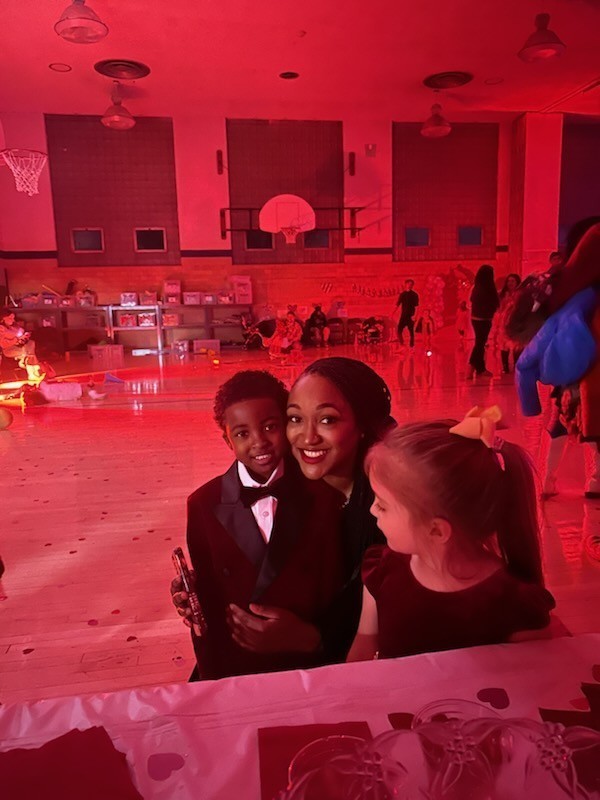
Please check out our flier for our annual Valentine's Dance!

2 months ago, Darcy Dunn
Valentine's Dance

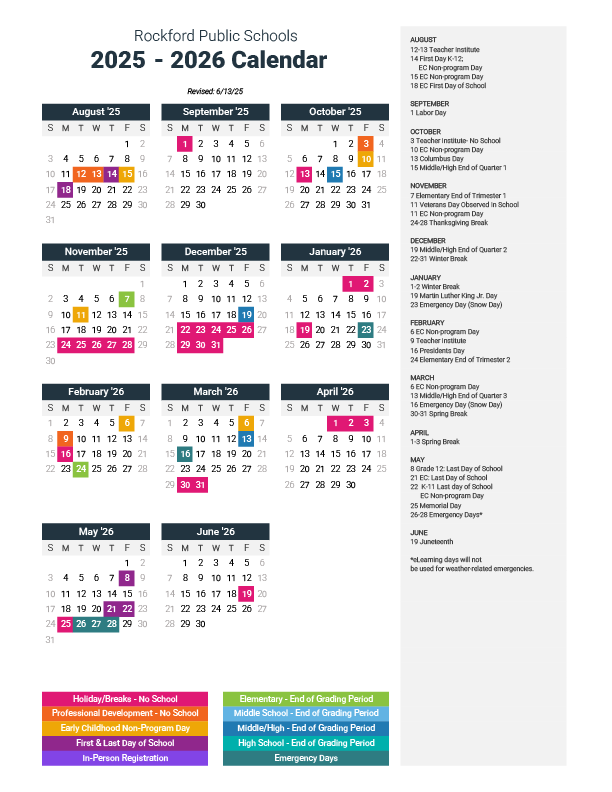
Please check this out for important dates in February.

2 months ago, Darcy Dunn
Important dates in February
All RPS 205 schools will be closed tomorrow, Friday, January 23, due to cold weather. All after-school activities will also be cancelled including Y Care. The RPS 205 Administration Building, Sterling Holley, & the Operations Support Center will be open.
2 months ago, Rockford Public Schools
Cold Weather
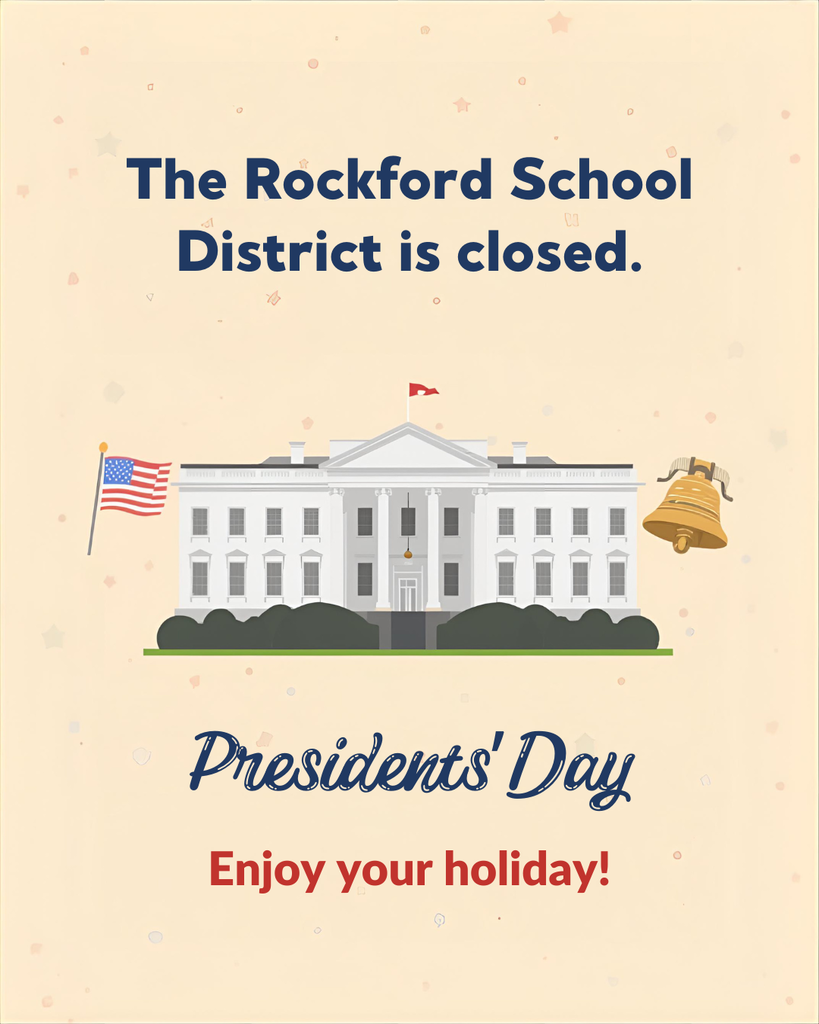
The Rockford School District is closed in observance of Martin Luther King Jr. Day.
2 months ago, Rockford Public Schools
MLK
Thanks to all the families who came out to tonight's movie night! A very special thank you to our PTO family, Christina Pascucci and Andrew Ilijic for helping with the event!
3 months ago, Darcy Dunn
movie 1
Fairview students from Miss Amy and Miss Chara's class enjoyed the new sensory paths thanks to Miss Becky Kallstrom, who wrote a Golden Apple grant to get them.

A sensory path (also called a sensory hallway) is a series of colorful, interactive decals or painted shapes on a floor or wall designed to guide children through a specific sequence of movements.

Think of it as a "brain break" obstacle course. Instead of just walking down a hallway, a child might be prompted to hop like a frog, tiptoe along a "balance beam," or do wall push-ups.

Sensory paths are designed to provide kids with balance and body awareness input. This helps reset the nervous system, especially for children who feel overstimulated or wiggly after sitting in a classroom.
3 months ago, Darcy Dunn
sensory 1
sensory 2
sensory 3
sensory 4
sensory 5
sensory 6
Please join us for our next PTO meeting on January 13 at 9:15 a.m. in the cafeteria. Help us plan our monthly events and let us know how we're doing. We hope to see you there!
3 months ago, Darcy Dunn
PTO meeting
Please join us for movie night on January 16 at 5:30. We are featuring the new version of Lilo and Stitch. Children can wear their jammies. Families can bring a blanket to sit on. Chairs will be available too. Popcorn, water and the movie provided at no charge. We hope to see you there!
3 months ago, Darcy Dunn
movie night flier

Families visited Miss Balbina's classroom and participated in their child's day and made winter trees. Thank you to all the Fairview families for your amazing participation this year and always!

3 months ago, Darcy Dunn
Balbina 1
Balbina 2
Balbina 3
Need assistance when school is not in session for the next two weeks?

Check out our resources: rps205.com/page/family-community-engagement

We'll see you on Monday, January 5th!
3 months ago, Rockford Public Schools
No School for Winter Break
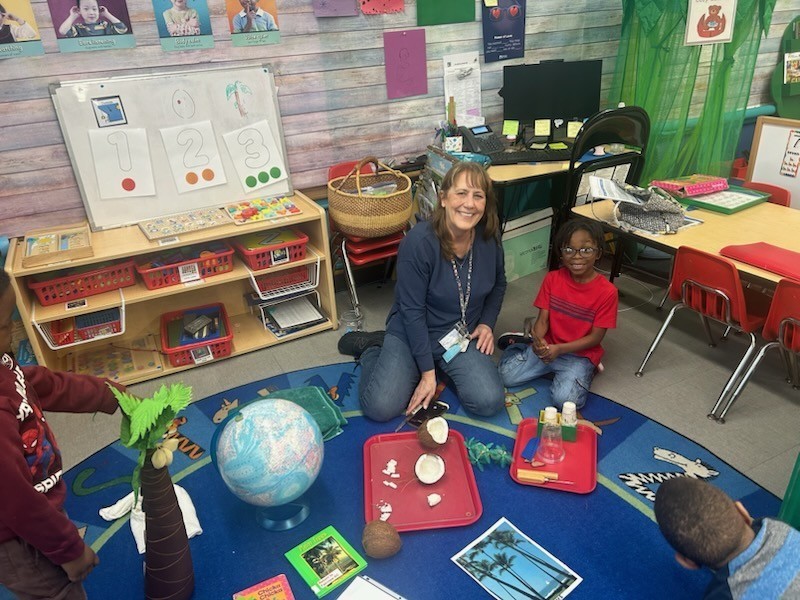
Students in Miss Katelin's class learned the science of bubbles.

A bubble-blowing lesson is a goldmine for preschool development. While it looks like simple play, it actually touches on several key developmental milestones ranging from physical coordination to early scientific inquiry.

Here is what preschoolers can learn through bubbles:

1. Science & Sensory Discovery
Bubbles are a perfect introduction to physics and chemistry concepts:

Properties of Matter: They learn that air (a gas) can be trapped inside a liquid to create a solid-looking shape.

Surface Tension: They can observe how bubbles always try to form a sphere, the most efficient shape for holding air.

Light and Color: By looking at the "rainbows" on the surface, they are getting a first look at how light reflects and refracts.

Cause and Effect: "If I blow too hard, the bubble pops. If I blow gently, it grows."

2. Physical & Motor Skills
Blowing bubbles is a sophisticated workout for small bodies:

Oral Motor Development: Controlling the breath to blow a bubble strengthens the muscles in the mouth and jaw, which is vital for clear speech and articulation.

Hand-Eye Coordination: Dipping the wand into the solution and tracking the floating bubbles requires focused visual and physical synchronization.

Fine Motor Skills: Holding the thin wand and manipulating it helps develop the "pincer grasp" used for holding pencils later on.

3. Social & Emotional Growth
Because bubbles are high-interest and fleeting, they create great "teachable moments":

Turn-Taking: Waiting for a turn with the wand or the "bubble blower" role.

Personal Space: Learning to pop bubbles without bumping into friends.

Resilience: Bubbles pop—it’s their nature! This helps children deal with minor "disappointments" in a safe, low-stakes environment.

4. Mathematical Concepts
You can easily weave "hidden math" into the lesson:

Size Comparison: Using words like bigger, smaller, giant, and tiny.

Counting: Counting how many bubbles stay in the air or how many they can pop before they hit the ground.

Shapes: Identifying the circle/sphere shape.
4 months ago, Darcy Dunn
bubbles 1
bubbles 2
bubbles 3
bubbles 4
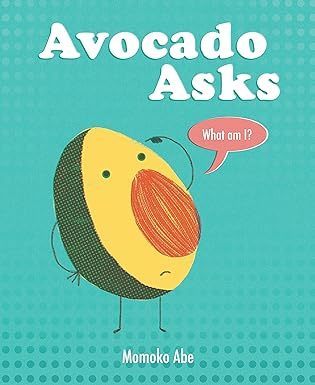
Miss Carla's students designed hats and she crocheted their designs into hats for the students.

When a preschooler watches a "nothing" material like yarn transform into a "something" gift, they aren't just making a craft—they are witnessing their own power to influence the world.

In developmental psychology, this is known as Self-Efficacy. Here is why that "coming to life" moment is so vital:

From Abstract to Concrete
Preschoolers are moving from magical thinking (where things just happen) to logical thinking (where they make things happen).

The "Lightbulb" Moment: Seeing a design come to life proves to them that an idea in their head can become a physical reality. This bridges the gap between their imagination and the tangible world.

Symbolic Thinking: They learn that a flat circle in a drawing can "represent" a cookie, a face, or a planet. This is the foundation for reading and math, where abstract symbols (letters and numbers) represent real things.

Building a "Can-Do" Identity
When a child says "I made this," they are actually saying "I am a person who can solve problems."

Mastery: Successfully finishing a project creates a "success cycle." The pride they feel after finishing an project gives them the courage to try harder tasks, like tying their shoes or writing their name.

Agency: In a world where adults make almost every decision for them, art is one of the few places where the child is the "boss." Seeing their specific design choices manifest gives them a sense of control and independence.

Understanding sequence and cause-effect
A design "coming to life" is a lesson in persistence.

The Process: They learn that things don't appear instantly. There is a beginning, designing, a middle, crocheting and an end wearing the hat.

4 months ago, Darcy Dunn
Carla's students designed hats
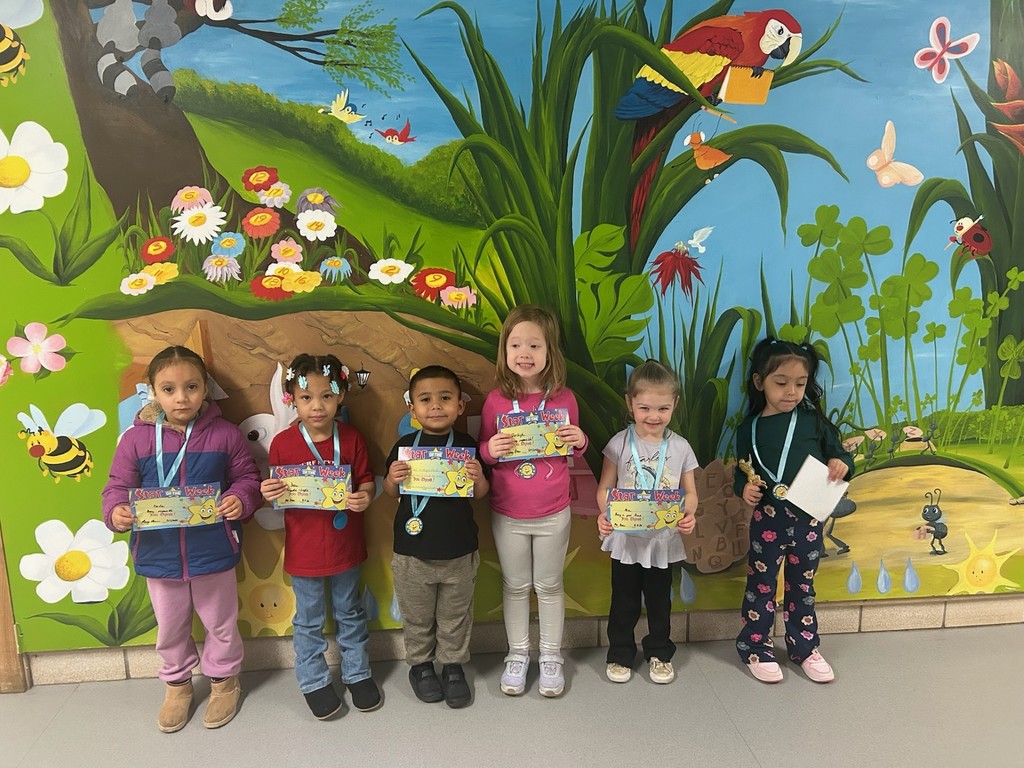
Miss Stephanie's class made ornaments out of clay. Making clay ornaments is a holiday or seasonal staple in preschool classrooms, and for good reason! While it looks like just a cute keepsake for the fridge or tree, the process is actually a "multivitamin" for early childhood development.

Here is a breakdown of what preschoolers are learning when they squish, roll, and decorate clay:

1. Fine Motor Development
This is the most significant physical benefit. Working with clay strengthens the small muscles in the hands and fingers, which are the same muscles needed later for writing with a pencil and using scissors.

Squeezing and Kneading: Builds hand strength.

Rolling: Develops bilateral coordination (using both hands together).

Pinching: Refines the "pincer grasp" used for gripping pens.

2. Sensory Processing
Clay is a powerful sensory tool. It provides tactile feedback that helps children understand their own physical strength.

Texture: They learn the difference between wet/slippery clay and dry/crumbly clay.

Proprioception: They learn how much pressure is needed to flatten the clay without breaking it or making it too thin.

3. Early Math and Science
It may not look like a lab, but the classroom table becomes one during this process.

Geometry: They explore shapes (circles, stars, hearts) and spatial awareness.

Cause and Effect: They observe how the clay changes from soft to hard after air-drying or baking.

4. Social-Emotional Growth
This is where the "gift" aspect becomes a teaching moment.

Empathy and Generosity: They learn the concept of altruism—doing something specifically to make someone else happy.

Delayed Gratification: They have to wait for the clay to dry, then wait to paint it, and finally wait to give it away. This builds patience.

Pride and Efficacy: Completing a project from start to finish boosts their self-esteem.

5. Artistic Expression
Unlike a coloring book with lines, clay is "open-ended."

Decision Making: They choose which colors to use, where to place the glitter, and which shape to make.

Creative Literacy: They are learning that they can turn an abstract idea in their head into a physical object.
4 months ago, Darcy Dunn
Stephanie's class ornaments

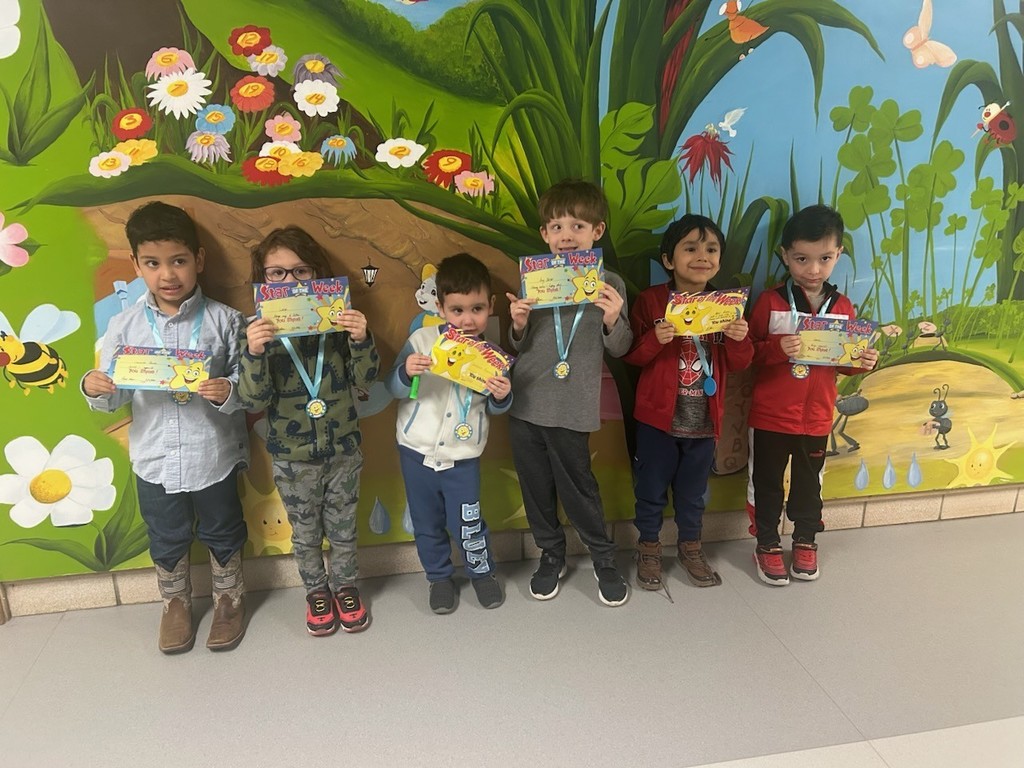
The Fairview staff performed an adaptation of Karen Schmidt's book the Gingerbread Man on 12/16 and 17 for students and families. A freshly baked gingerbread man escapes when he is taken out of the oven and eludes a number of pursuers until he meets a clever fox. Run! Run! Fast as you can! You can't catch me! I'm the Gingerbread Man!

4 months ago, Darcy Dunn
Fairview theater actors the Gingerbread Man play
Fairview Early Childhood Center was filled with smiles and laughter as staff brought The Gingerbread Man to life! Students and families enjoyed an interactive retelling, making this classic story a fun and memorable experience for all.
4 months ago, Rockford Public Schools
Gingerbread-01
Gingerbread-02
Gingerbread-03
Gingerbread-04
Gingerbread-05
Gingerbread-06
Gingerbread-07
Gingerbread-08
Gingerbread-09
Gingerbread-10

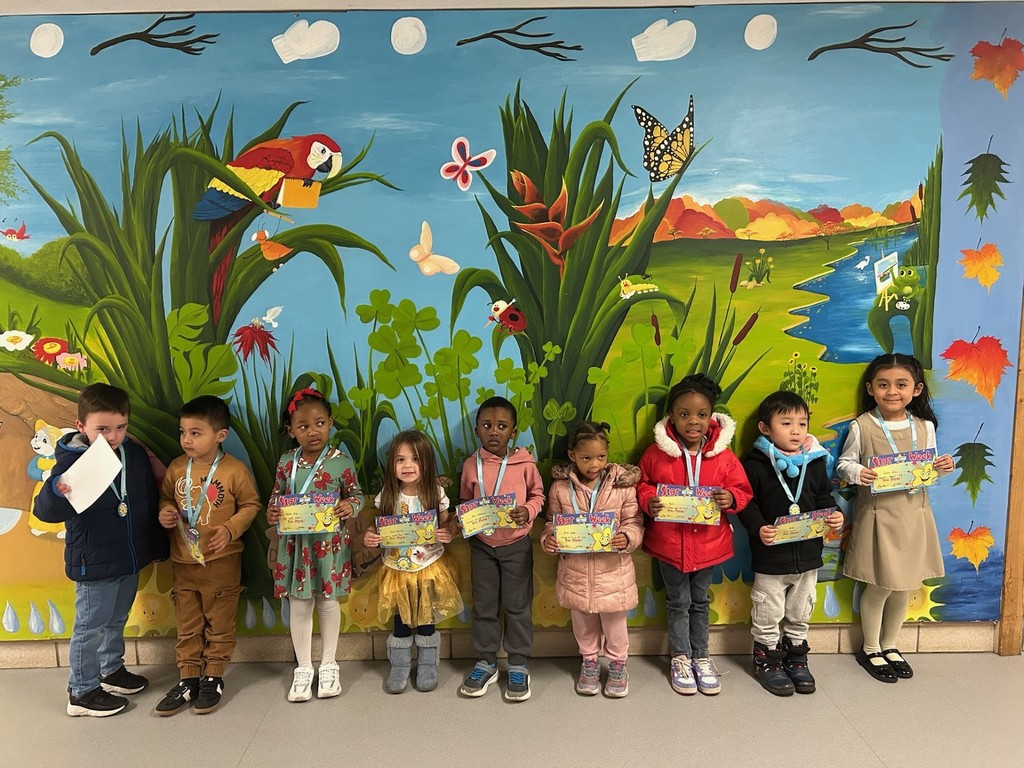
Thank you to all the families, staff and our PTO who came out tonight to enjoy and volunteer at our winter family night!

4 months ago, Darcy Dunn
santa 2
santa 3
santa 4
crafts
special programs
dinner
open gyms
santa
Pyramid resources
santa 7
Please join us for Winter Family Fun Night. We will have pictures with Santa, snacks, open gyms and crafts. We hope to see you there!
4 months ago, Darcy Dunn

Winter family night
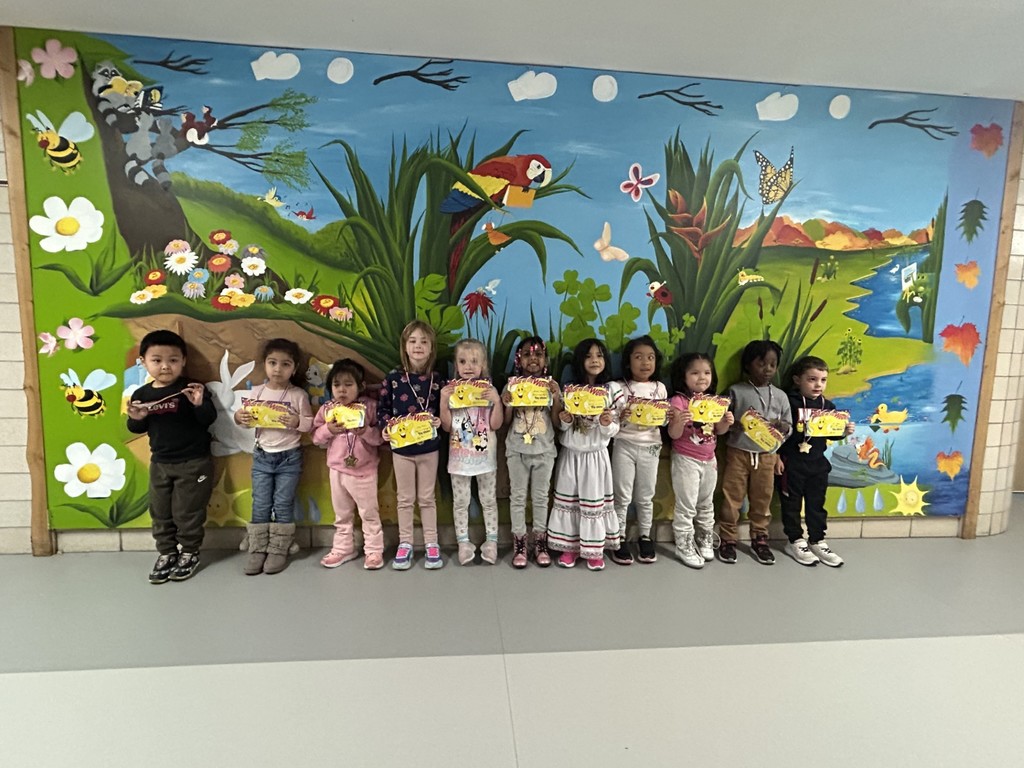
Miss Andrea's class painted snow that was in their sensory table during work time.
Work time is part of our High Scope curriculum. Students plan where to work, and share verbally or with symbols/drawings, what they intend to do during work time (which area to visit, what materials to use, and who they will play with).
Work time is 65 minutes. This is the "doing" phase where children carry out their plans.
Then we have recall time. Children reflect on their experiences, sharing with their class what they did, what they learned,who they played with or what problems they solved.
4 months ago, Darcy Dunn
Andrea sensory snow

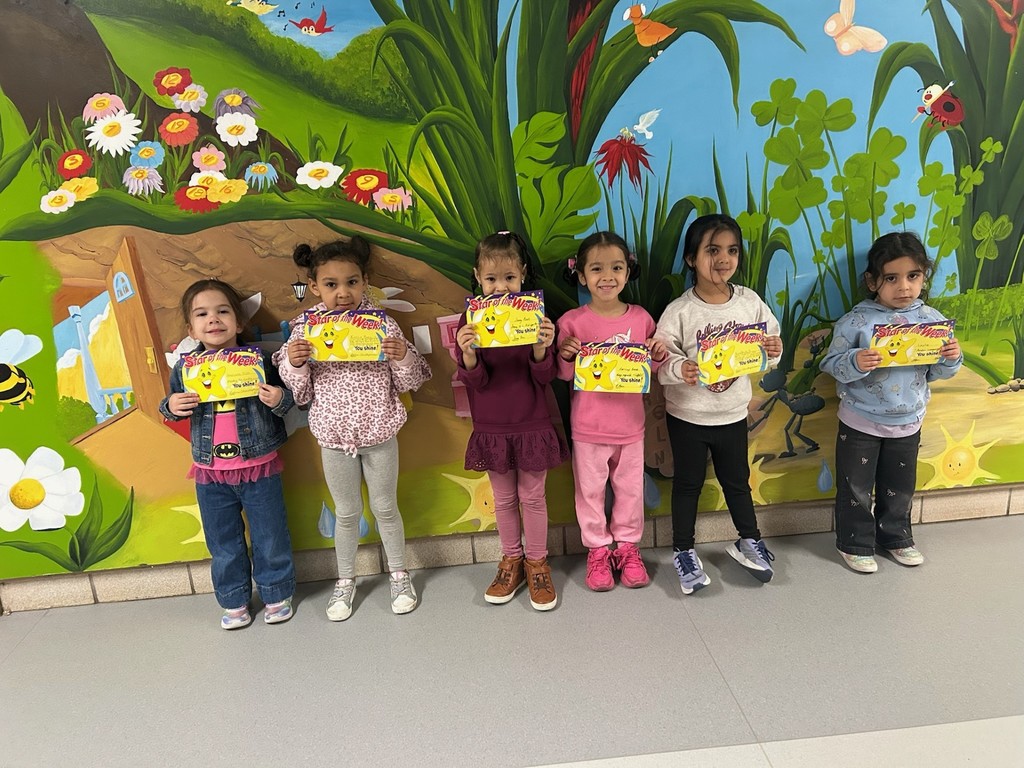
Miss Amy's class is decorating a winter tree in the sensory table. A sensory table allows for a child's development. They learn by using their senses; touch, sight, sound and smell. Materials in the sensory table change frequently in each classroom.

4 months ago, Darcy Dunn
Amy 1
Amy 2